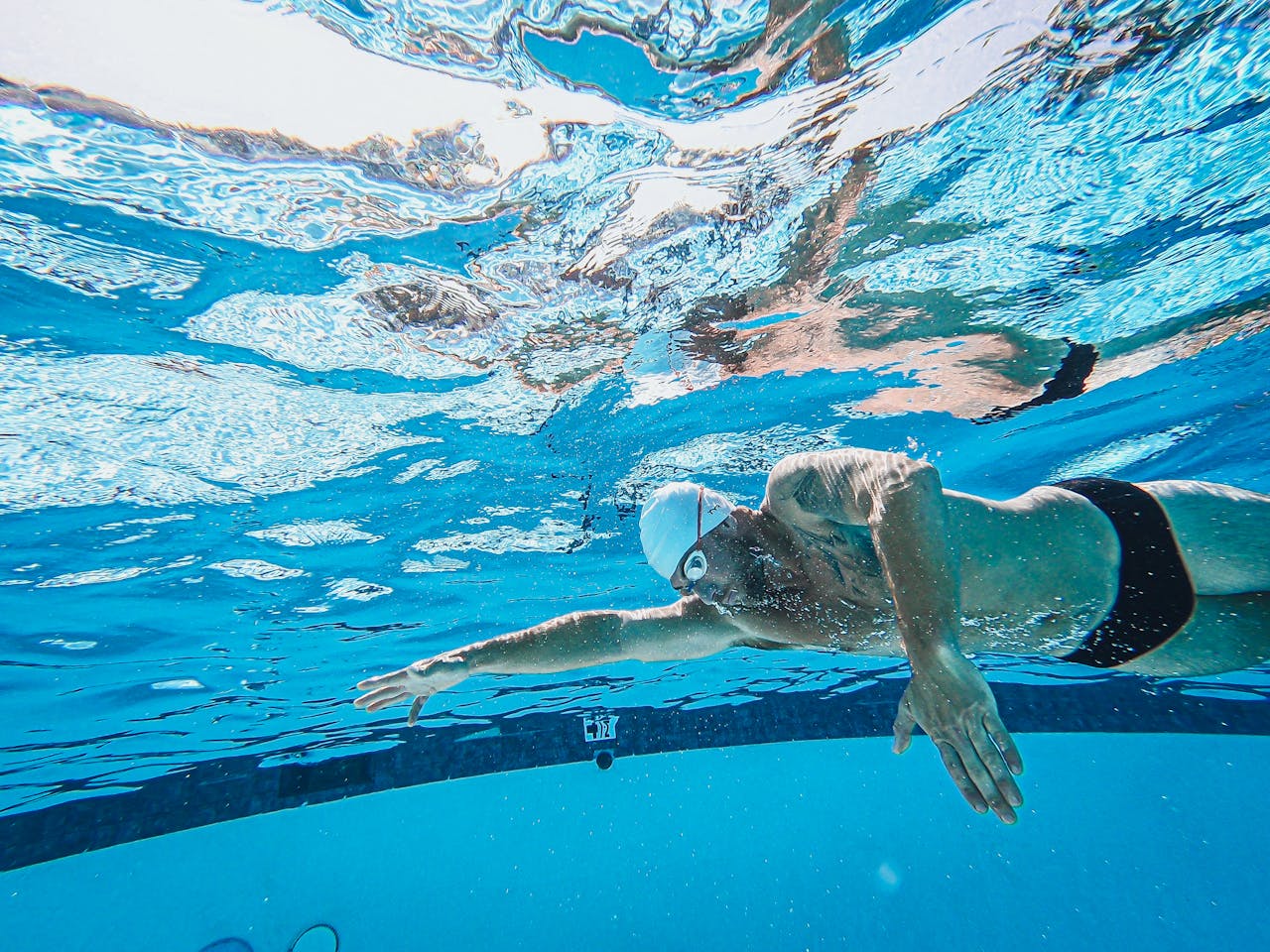
Swimmer’s ear is essentially another name for an ear canal that’s infected or irritated. It is sometimes referred to as otitis externa. It is common with kids who spend a lot of time in the pool, but it can also affect adults.
Your ears tend to look after themselves fairly well as the wax will act as a barrier and the skin in the canal will do its job in keeping out germs. Issues will start to occur if the environment happens to change.
The usual cause of this is water sitting in the ear for too long, which will soften up the skin and create a damp cave-like environment, which is where bacteria or fungi can become an issue. Also, people cleaning their ears with cotton buds or even their fingers can find that the protective wax starts to strip away, which can result in an infection developing.
The best thing to do for your ears is to leave them alone as much as possible. There are a few other steps to take on:
The first and most obvious sign that swimmer’s ear symptoms are becoming an issue is an itch that you just can’t seem to scratch. From there, it can develop into:
If you find that the pain is keeping you awake at night or you notice a physically swollen or leaking ear, you should get it looked at sooner rather than later. Often, a professional will take the step of clearing away any debris or prescribe some drops that are designed to kill off the infection.
While this is often a quick fix, you are better off getting to it before the canal swells shut.
All-in-all, you should trust your instincts and if you find that it is painful enough that it’s causing you concern, you should have someone take a look. This is much better than suffering through muffled hearing or pain that continues to stab.
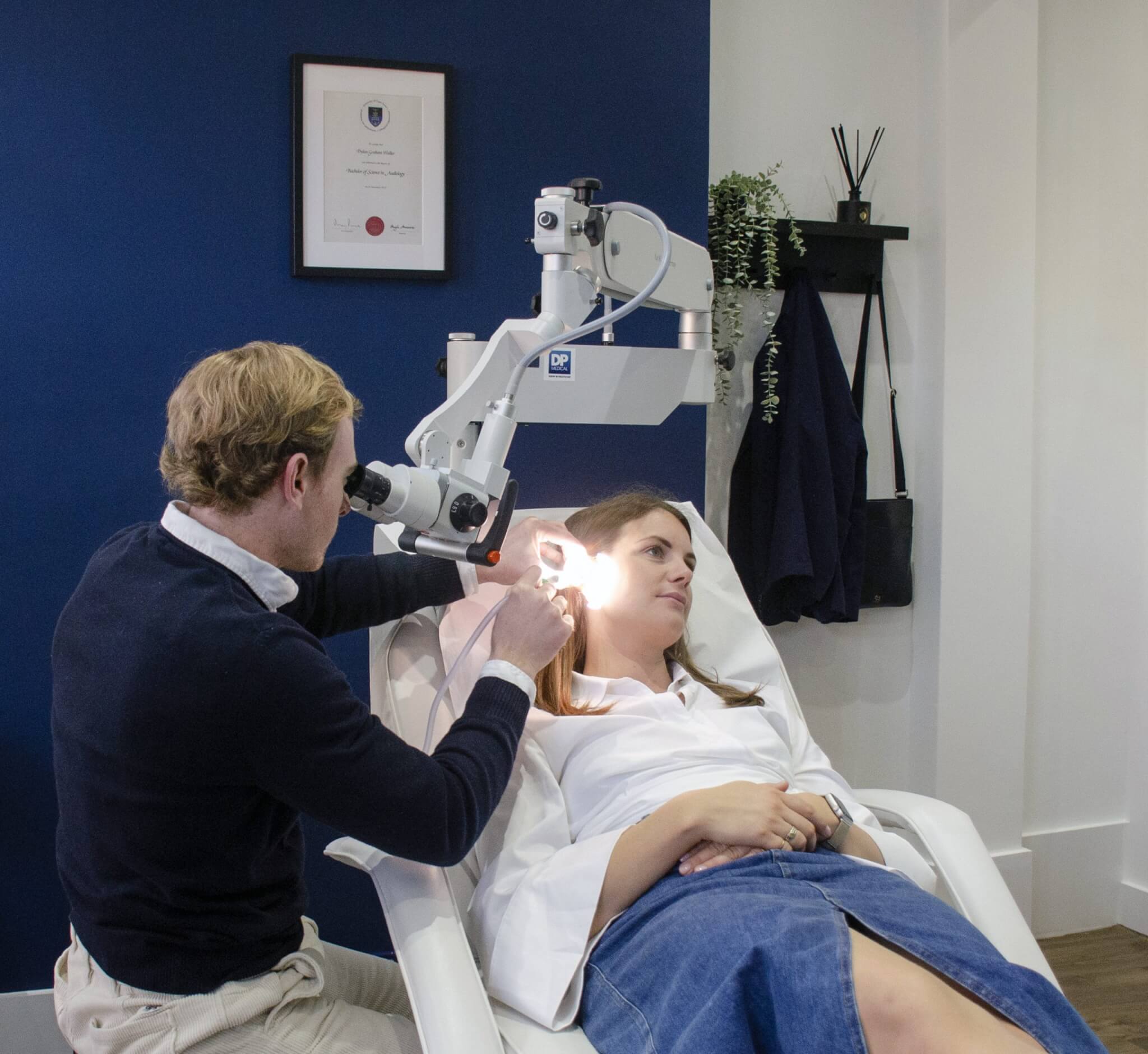
Microsuction

Tinnitus management
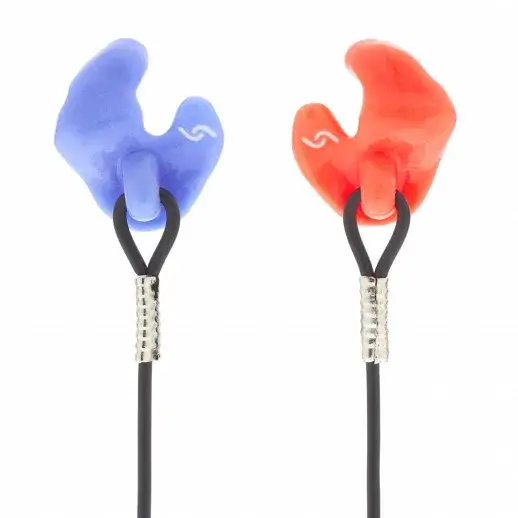
Custom-Made Ear Plugs
Swimmer’s ear is an infection of the outer ear canal, also known as otitis externa. It often develops when water becomes trapped in the ear, creating a warm, moist environment where bacteria or fungi can grow.
Symptoms may include ear pain (especially when touching the ear), itching inside the ear canal, redness or swelling, discharge, a blocked or full feeling, and reduced hearing. Pain can become severe if left untreated.
The most common cause is water remaining in the ear after swimming or bathing. Other causes include excessive ear cleaning, using cotton buds, minor cuts in the ear canal, hearing aids, earplugs, or skin conditions such as eczema.
Mild cases may improve on their own, but swimmer’s ear often requires treatment. Without proper care, symptoms can worsen and the infection may spread, leading to increased pain and complications.
With appropriate treatment, symptoms often improve within a few days and usually clear up within 7–10 days. Delayed treatment can significantly prolong recovery.
You can help prevent swimmer’s ear by thoroughly drying your ears after swimming or showering, avoiding cotton buds, protecting your ears in water if advised, and keeping the ear canal free from irritation or injury.
Yes. Swimming should be avoided until the infection has fully cleared, as water exposure can delay healing and worsen symptoms.
You should seek professional advice if ear pain persists, symptoms worsen, there is discharge, hearing loss, or if symptoms do not improve within a couple of days.
We are pleased to introduce our Executive Club Membership, designed for those who value exceptional ear care and personalised service.
Join Executive Club