It’s normal to get more than a little bit anxious when your child seems to suffer from some hearing issues or they are in visible discomfort. Kids’ ears are still developing, which means that a build-up of wax and minor infections are more than likely to occur during the early years of their lives
The majority of these issues are only temporary and can be easily managed as and when needed. Here are a few of the basics of children’s ear health tips to help you out with this.
Children can often experience issues with their ears, such as:
If your child is generally happy, responsive, and not in any discomfort, their ears are likely doing exactly what they should be.
The best way to look after their ears is to keep things simple.
Because children have smaller, more horizontal Eustachian tubes (the tubes that drain the ear), fluid can get trapped more easily than in adults.
Many of the ear issues seen in children can also occur in adults, often for similar reasons. While adult ears are fully developed, they are still affected by wax build-up, congestion, pressure changes and infection.
For example, earwax is a natural protective substance at any age. In adults, just as in children, problems tend to arise when wax builds up faster than it can clear naturally. This can lead to blocked ears, muffled hearing or discomfort, particularly for those who use earbuds, hearing protection or cotton buds.
Congestion caused by colds, sinus infections or allergies can also affect adult hearing in much the same way. Fluid can build up behind the eardrum, leading to a feeling of fullness, popping or temporary hearing loss. Air pressure changes during flights or car journeys can cause ear popping in adults too, especially if the ears are already congested.
Infections, while less common in adults than in children, can still occur and should be taken seriously if symptoms persist. Glue ear is more frequently associated with children, but fluid retention behind the eardrum can also affect adults and may cause hearing difficulties or balance issues.
The key difference is that adults may be more likely to ignore symptoms or put them down to tiredness, stress or ageing. Recognising that many ear health issues are not age-specific can encourage earlier checks and help prevent longer-term hearing problems.
Looking after ear health from an early age helps build good habits that support healthy hearing throughout adulthood.
While ear issues may resolve on their own, it is going to be worth getting a check-up if:
Most childhood ear problems are a short-term hurdle. A quick professional check can provide peace of mind and ensure your child is hearing the world clearly.
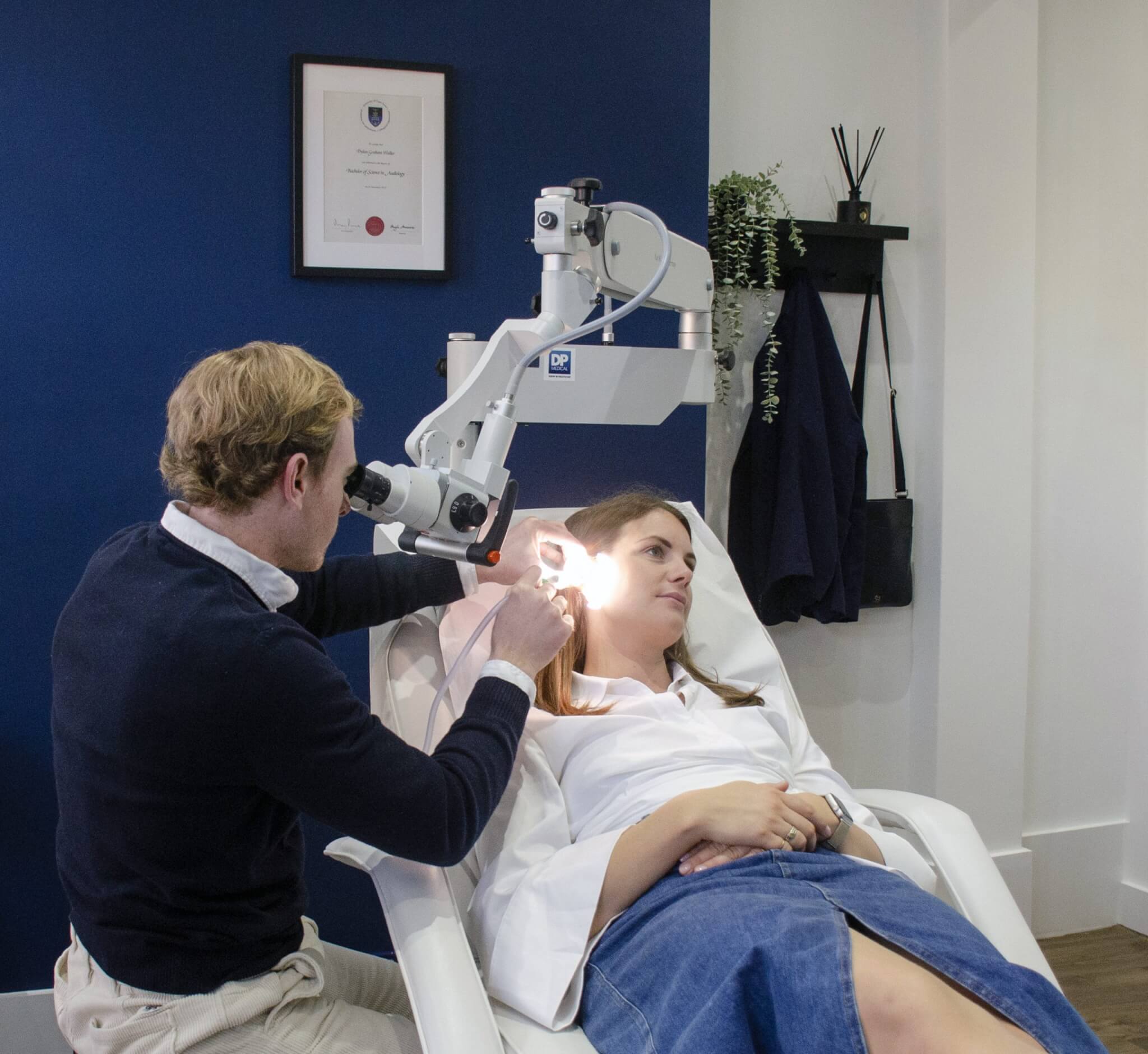
Microsuction

Tinnitus management
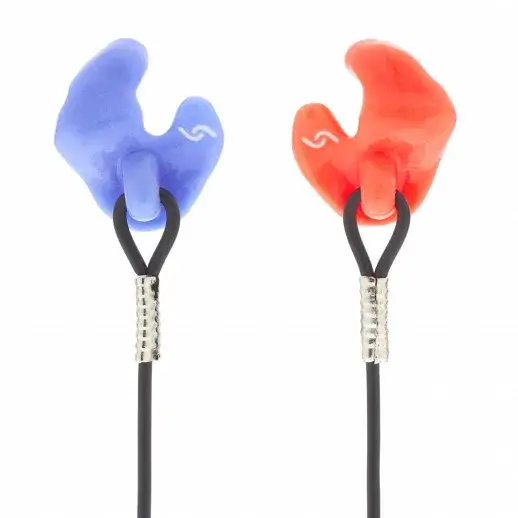
Custom-Made Ear Plugs
No. Cotton buds should not be used inside the ear canal as they can push wax further in or damage the eardrum. The ears are usually self-cleaning, and wiping the outer ear gently is enough.
Yes. Ear popping is a normal response to pressure changes and happens in both children and adults. It usually resolves on its own, especially when swallowing or chewing.
Many ear issues, such as wax build-up, congestion and pressure changes, can affect adults as well. While infections are less common in adults, they can still occur and should be checked if symptoms persist.
Keeping ears dry after swimming or bathing, avoiding inserting objects into the ear canal, and managing colds and allergies promptly can help reduce the risk of ear issues.
Good ear care habits developed in childhood can support healthy hearing into adulthood. Recognising and addressing issues early helps prevent longer-term hearing problems later in life.
We are pleased to introduce our Executive Club Membership, designed for those who value exceptional ear care and personalised service.
Join Executive Club