
Ear discharge can be alarming, especially if it appears suddenly or is accompanied by discomfort. While it may look concerning, there are several possible explanations, and not all of them are serious.
Understanding the most common ear discharge causes can help you recognise what’s normal, what isn’t, and when it might be time to have your ears checked.
Ear discharge refers to any fluid that comes out of the ear. It can vary in colour, consistency and smell, depending on the underlying cause.
Some types of discharge are harmless, while others may indicate infection or irritation that needs attention.
1. Ear Wax (Cerumen)
In some cases, what appears to be discharge is actually softened or excess ear wax.
Ear wax can become wet or sticky, especially after showering, and may move out of the ear naturally. This is usually normal and part of the ear’s cleaning process.
However, if wax build-up becomes excessive, it may lead to blockage, irritation, or changes in hearing. In these cases, professional ear wax removal may be recommended.
2. Outer Ear Infections (Swimmer’s Ear)
One of the most common ear discharge causes is an outer ear infection, often referred to as swimmer’s ear.
This happens when moisture becomes trapped in the ear canal, allowing bacteria or fungi to grow.
Symptoms may include:
If these symptoms occur, it’s important to have the ear examined.
For more information, the NHS provides guidance on ear infections.
3. Middle Ear Infections
In some cases, discharge may come from deeper inside the ear due to a middle ear infection.
If pressure builds behind the eardrum, it can sometimes cause the eardrum to rupture, allowing fluid to drain out.
This type of discharge may be:
This should always be assessed by a professional.
4. Injury to the Ear Canal
Using cotton buds or inserting objects into the ear can damage the delicate skin of the ear canal.
Small cuts or irritation may lead to minor discharge, sometimes mixed with blood.
The NHS strongly advises against inserting objects into the ear, as this can cause further damage.
5. Skin Conditions or Irritation
Conditions such as eczema or dermatitis can affect the skin inside the ear canal, leading to irritation and discharge.
This type of discharge is often:
In some cases, ear discharge can be linked to temporary hearing changes.
This may happen if:
If hearing feels muffled or reduced, it may be worth booking an ear health check.
While some minor discharge may resolve on its own, you should seek advice if:
A professional examination can quickly identify the cause and recommend appropriate treatment.
Avoid inserting objects into your ears and allow the ear’s natural cleaning process to work as intended.
If symptoms persist or worsen, seeking professional care can help prevent complications and ensure your ears remain healthy.
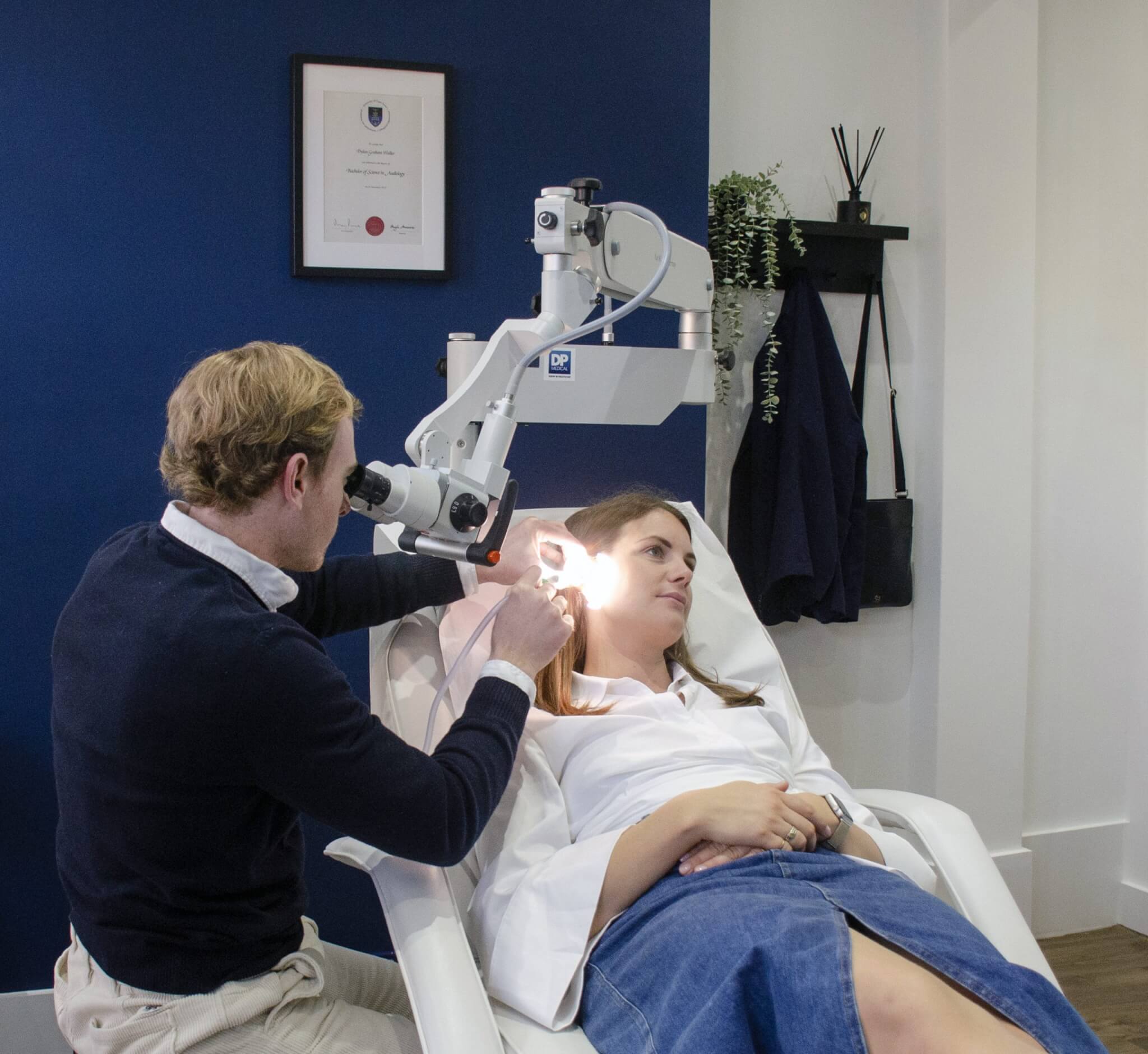
Microsuction

Hearing Assessments

Tinnitus management
Small amounts of wax or fluid can be normal, but persistent discharge should be checked.
It is often yellow, green or cloudy and may have an odour.
Yes. Softened wax can sometimes appear similar to discharge.
If it lasts more than a few days, is painful, or affects hearing.
We are pleased to introduce our Executive Club Membership, designed for those who value exceptional ear care and personalised service.
Join Executive Club