
Most of us don’t think about our hearing until something goes wrong. Yet hearing loss is one of the most gradual and preventable conditions affecting adults in the UK, and the habits you build today will directly shape the quality of your hearing in the decades ahead.
The good news is that protecting your hearing doesn’t require dramatic lifestyle changes. Small, consistent actions make a significant difference. Here are ten evidence-backed habits that support long-term ear health and help you avoid the most common causes of hearing damage.
Noise-induced hearing loss is one of the leading causes of auditory damage in adults under 50, and personal audio devices are a major contributing factor. The inner ear contains thousands of tiny hair cells, known as cochlear hair cells, that convert sound into signals for the brain. These cells do not regenerate once damaged.
A simple rule to follow: keep the volume at no more than 60% of maximum, and limit listening sessions to 60 minutes before taking a break. Noise-cancelling headphones are also worth considering, as they reduce the need to turn up the volume in noisy environments.
Whether you attend live music events, work in construction, or enjoy motorsport, regular exposure to sounds above 85 decibels can cause cumulative hearing damage. The louder the sound, the less time it takes to cause harm. At 100 decibels, damage can begin in under 15 minutes.
Custom-fit earplugs offer far superior protection compared to foam disposables, and they’re designed to reduce volume without distorting sound quality. If you work in a high-noise occupation, ear protection isn’t optional. It’s an essential part of occupational health.
Moisture trapped in the ear canal creates the ideal conditions for bacterial growth, which can lead to otitis externa, commonly known as swimmer’s ear. This painful outer ear infection can cause temporary hearing loss and significant discomfort if left untreated.
After swimming or bathing, gently tilt your head to each side to allow water to drain naturally. You can also use a clean towel to softly dry the outer ear. Avoid inserting cotton buds or any objects into the ear canal, as this pushes debris further in and risks injury to the sensitive skin lining.
This bears repeating: the ear canal is self-cleaning. Cerumen, the medical term for earwax, is produced naturally to trap dust, bacteria, and debris. It migrates out of the ear canal on its own through jaw movement and normal skin cell shedding.
Inserting cotton buds, hairpins, or other objects into the ear disrupts this process, compacts wax deeper into the canal, and risks perforating the eardrum. If you feel that wax is building up, consult a specialist for safe removal using microsuction or another clinically approved method.
There is a well-established link between cardiovascular health and hearing. The cochlea, the spiral-shaped hearing organ deep in the inner ear, relies on a consistent and healthy blood supply to function. High blood pressure, poor circulation, and chronic stress can restrict this blood flow, increasing the risk of sudden sensorineural hearing loss and tinnitus.
Regular physical activity, adequate sleep, and stress management techniques such as mindfulness or breathing exercises all contribute to better vascular health and in turn, healthier hearing.
Some medications have the potential to damage the auditory system. These are known as ototoxic drugs, and they include certain antibiotics (particularly aminoglycosides), loop diuretics, and high doses of aspirin or non-steroidal anti-inflammatory drugs (NSAIDs). Chemotherapy agents such as cisplatin are also known to carry a risk of hearing damage.
If you are prescribed any long-term medication, it’s worth asking your GP or pharmacist whether it carries ototoxic risk, especially if you already have pre-existing hearing difficulties.
Certain nutrients play a direct role in protecting the delicate structures of the inner ear. Research suggests that magnesium may help protect against noise-induced hearing loss by reducing damage to cochlear hair cells. Zinc supports immune function and may reduce the severity and frequency of ear infections. Omega-3 fatty acids support healthy blood flow to the auditory system, while vitamins A, C, and E act as antioxidants that protect against oxidative stress in the ear.
Incorporating foods like leafy greens, nuts, oily fish, and citrus fruits into your diet is a simple way to support ear health from the inside out.
Many people wait years before seeking a hearing assessment, often normalising early signs of hearing loss such as frequently asking people to repeat themselves, difficulty hearing in background noise, or turning up the TV louder than others prefer. By the time hearing loss is noticed, it is often already moderate in degree.
A professional hearing assessment, ideally every one to two years for adults over 50, or sooner if you notice changes, allows for early detection and intervention. Early treatment, whether through hearing aids or rehabilitation, produces significantly better outcomes than delayed action.
After attending a loud concert or sporting event, your hearing may feel temporarily muffled or you may experience ringing in the ears (tinnitus). This is known as a temporary threshold shift, a sign that your auditory system is under strain.
Giving your ears time to recover in a quiet environment is essential. Research indicates that the auditory system needs at least 16 hours of quiet following significant noise exposure to recover. Making rest periods a regular part of your routine after noisy events can prevent this temporary strain from becoming permanent.
General health check-ups often don’t include detailed ear assessments. Proactively booking in with an ear health specialist, particularly if you experience symptoms such as earache, blocked ears, discharge, dizziness, or sudden changes in hearing, ensures that any underlying conditions are identified and treated early.
Conditions such as glue ear, cholesteatoma, and Eustachian tube dysfunction can progress silently without causing obvious pain, but can have a significant impact on hearing over time if unaddressed.
Hearing health is cumulative. The choices you make daily compound over time. Incorporating even a handful of these habits into your routine can meaningfully reduce your risk of hearing loss and age-related auditory decline.
If you haven’t had your ears checked recently, or if you have concerns about your hearing or ear health, our team at The Ear Clinic is here to help. We offer comprehensive hearing assessments and ear care services across Surrey, providing expert, personalised care for every patient.
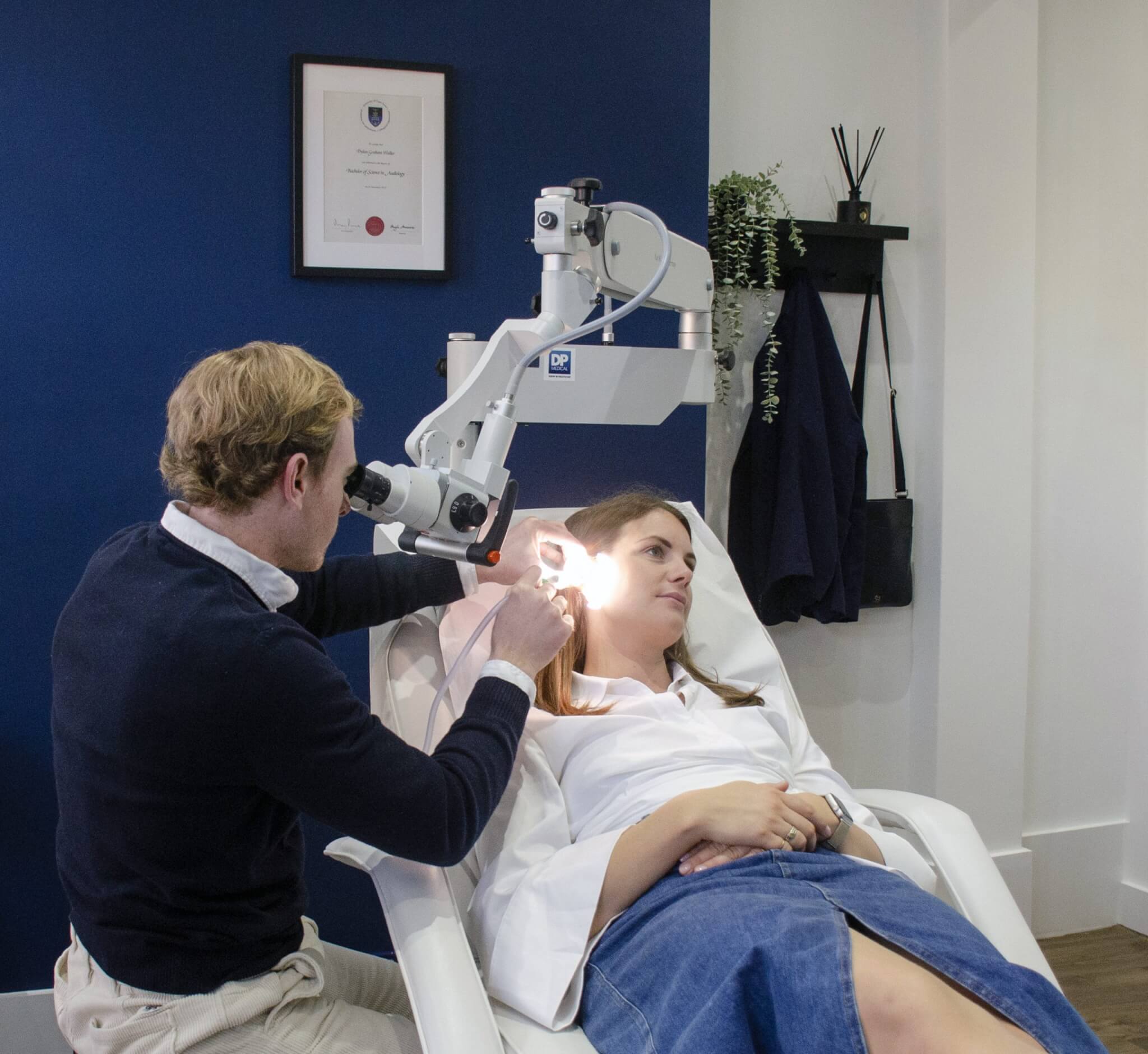
Microsuction
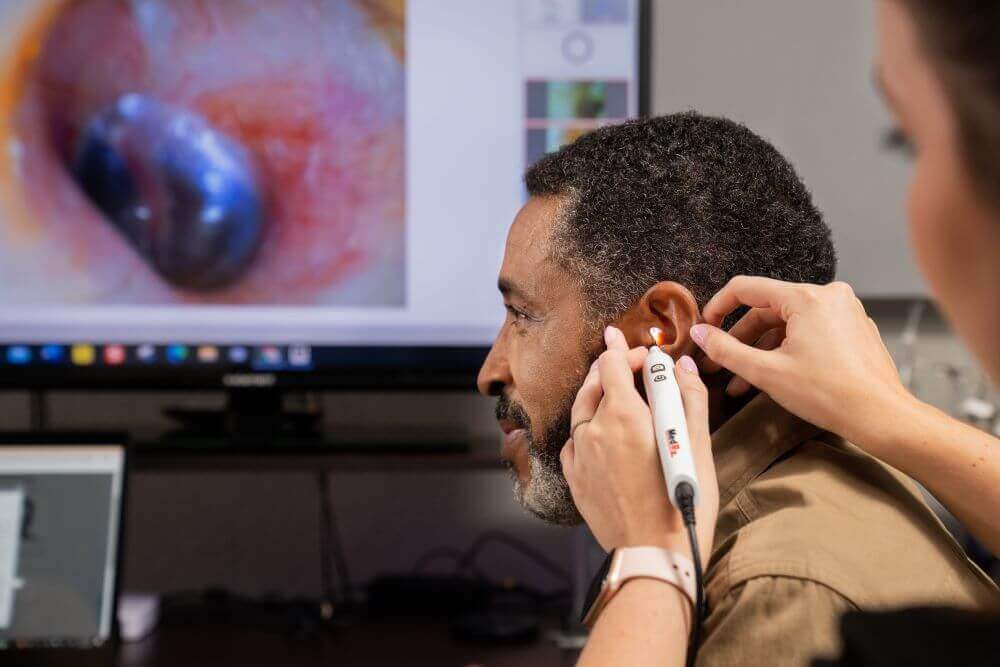
Hearing Assessments

Tinnitus management
Simple habits make a big difference. Follow the 60/60 rule with headphones, wear ear protection in loud environments, keep your ears dry, eat a nutrient-rich diet, and book regular hearing assessments. Small, consistent actions compound over time to significantly reduce your risk of hearing loss.
Keep your volume at no more than 60% of the maximum on any device, and take a break after 60 minutes of listening. Noise-cancelling headphones are also a good investment as they reduce the temptation to increase volume in noisy surroundings.
Yes. Chronic stress and high blood pressure can restrict blood flow to the cochlea, the hearing organ in the inner ear. This increases the risk of tinnitus and sudden sensorineural hearing loss. Managing stress through exercise, sleep, and relaxation techniques supports both your general and auditory health.
Adults over 50 are advised to have a hearing assessment every one to two years. If you notice any changes in your hearing at any age, such as difficulty following conversations or frequently asking people to repeat themselves, book an assessment sooner rather than later.
Certain nutrients do support the health of the inner ear. Magnesium, zinc, omega-3 fatty acids, and vitamins A, C, and E all play a role in protecting auditory function. A balanced diet rich in leafy greens, oily fish, nuts, and citrus fruits is a straightforward way to support your ears from the inside out.
Some medications, known as ototoxic drugs, can harm the auditory system. These include certain antibiotics, loop diuretics, high doses of aspirin, and some chemotherapy agents. If you are on long-term medication, ask your GP or pharmacist whether it carries any ototoxic risk.
We are pleased to introduce our Executive Club Membership, designed for those who value exceptional ear care and personalised service.
Join Executive Club