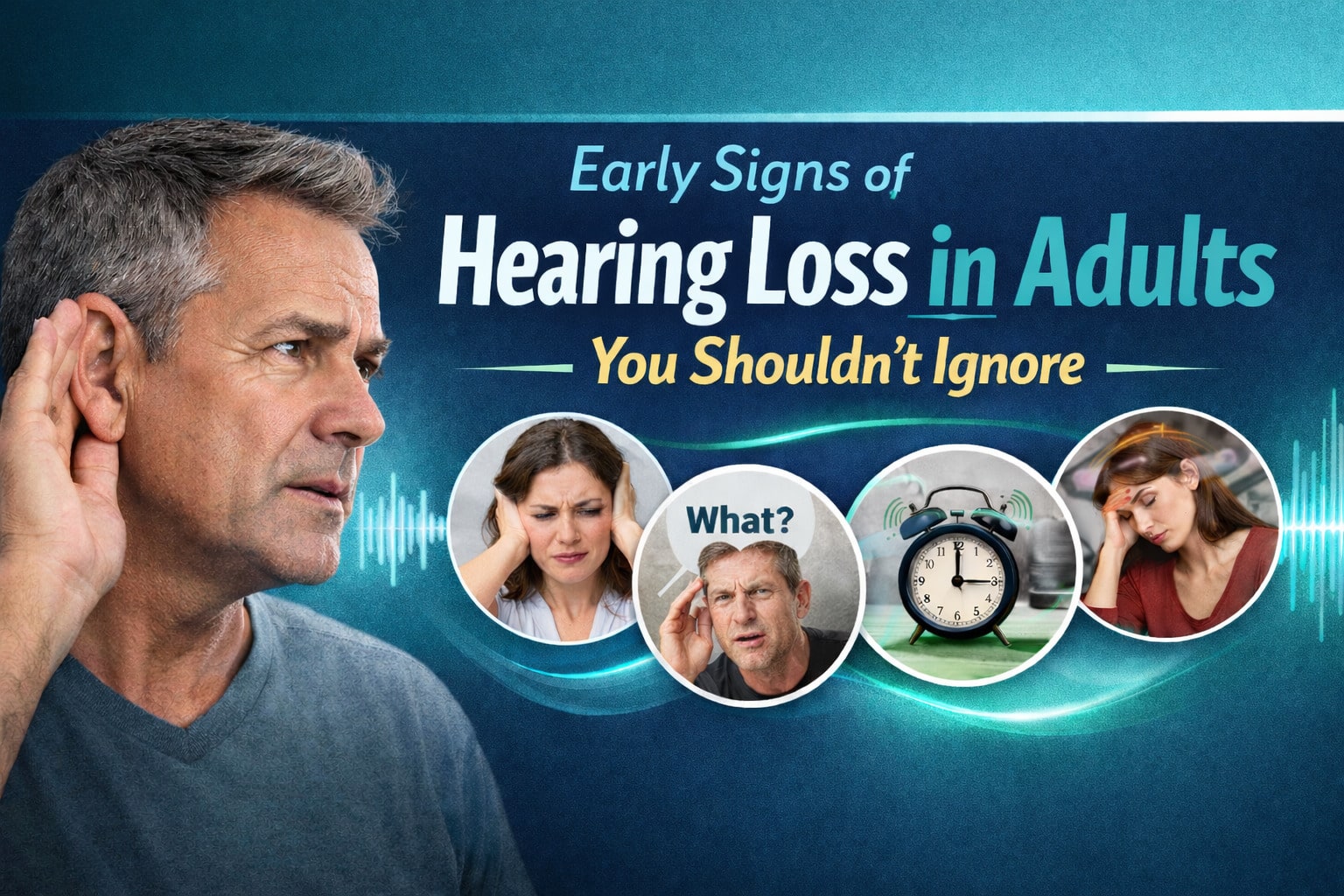
Hearing loss in adults is something that can develop over decades. Usually, it’s not an overnight change.
For this reason, it’s critical to watch out for the early signs. While some people might say that hearing loss is a normal part of aging, it still requires proper management.
The good news is that modern interventions are highly effective. If you can get a solution to your hearing loss early on, you can reduce the impact that it has on your life.
There are all sorts of common signs of hearing that might be overlooked. Many of these are subtle at first, but they grow in magnitude over time. For example, you might experience:
What’s nice about modern hearing solutions is that they enable you to deal with all of these aspects of hearing loss. They also can be tailored to your specific requirements.
It’s worth noting that even if you’ve been diagnosed with hearing loss, it doesn’t mean you’re going deaf. It just means that your sensitivity to the sounds around you is diminishing and you may need support.
Blocked ears can lead to hearing loss. However, blocked ears and hearing loss are two fundamentally different problems.
Muffled hearing and a sense of fullness in your ear canal from a blockage is temporary and easy to treat. Meanwhile, hearing loss is more permanent because it involves damage to sensitive structures within the ear.
For example, earwax blockage can lead to hearing loss that affects one ear and comes on suddenly. Meanwhile, age-related noise-induced hearing loss generally affects both ears. You don’t have the same blocked ear sensation and simply removing earwax from your ear doesn’t improve your ability to hear.
If you’re really not sure which camp you fit into, arrange a microsuction session. Here, audiologists, ENTs, and other hearing health professionals, use a vacuum tip to carefully remove earwax from your ear without liquids. This method is safer, and when it’s finished, you can test your hearing to determine your level of hearing loss.
Hearing loss can have a significant impact on your work, relationships, and confidence. When you can’t hear, it makes it more challenging to navigate the complexities of the real world.
Relationships
Hearing loss affects relationships by increasing the frequency of misunderstandings and frustration in basic communication. Most people don’t enjoy repeating themselves endlessly; either people with hearing loss or those trying to communicate with them.
Over time, these frictions in relationships can lead to withdrawal from social events and isolation. Eventually, this leads to depression in some people, which is why it’s so critical to deal with hearing loss signs early on.
Work
Hearing loss issues can also affect your ability to work. If you can’t hear colleagues in the office or on the phone or chat to customers, then it makes your job less tenable.
Confidence
Finally, when you have hearing loss, you can experience a loss of confidence. Many people feel embarrassed when they can’t hear or simply less capable. This can lead to feelings of anxiety or low self-esteem.
For this reason, addressing hearing loss early is critical because it protects all aspects of life. Being able to hear maintains high-quality relationships.
Most people wait between 7-10 years from the onset of symptoms before getting their hearing tested. The main reasons for this are:
The problem with waiting a long time is that it can lead to the development of further symptoms. Early intervention prevents the brain from becoming maladapted to processing sound and increases the risk and reduces the risk of developing tinnitus. Hearing aids used today are small and nearly invisible, and many don’t have any exterior components at all. They fit entirely within the ear canal.
We strongly advise against waiting years before getting a hearing test. You should seek a hearing evaluation with your audiologist or ENT if you have:
Most experts recommend people over the age of 50 go for a screening every few years. Even if you don’t think you have symptoms, it’s a good idea to test your hearing to see if any issues are developing. Acting early is the best policy. Going for a hearing test or getting micro suction prevents complications later on.
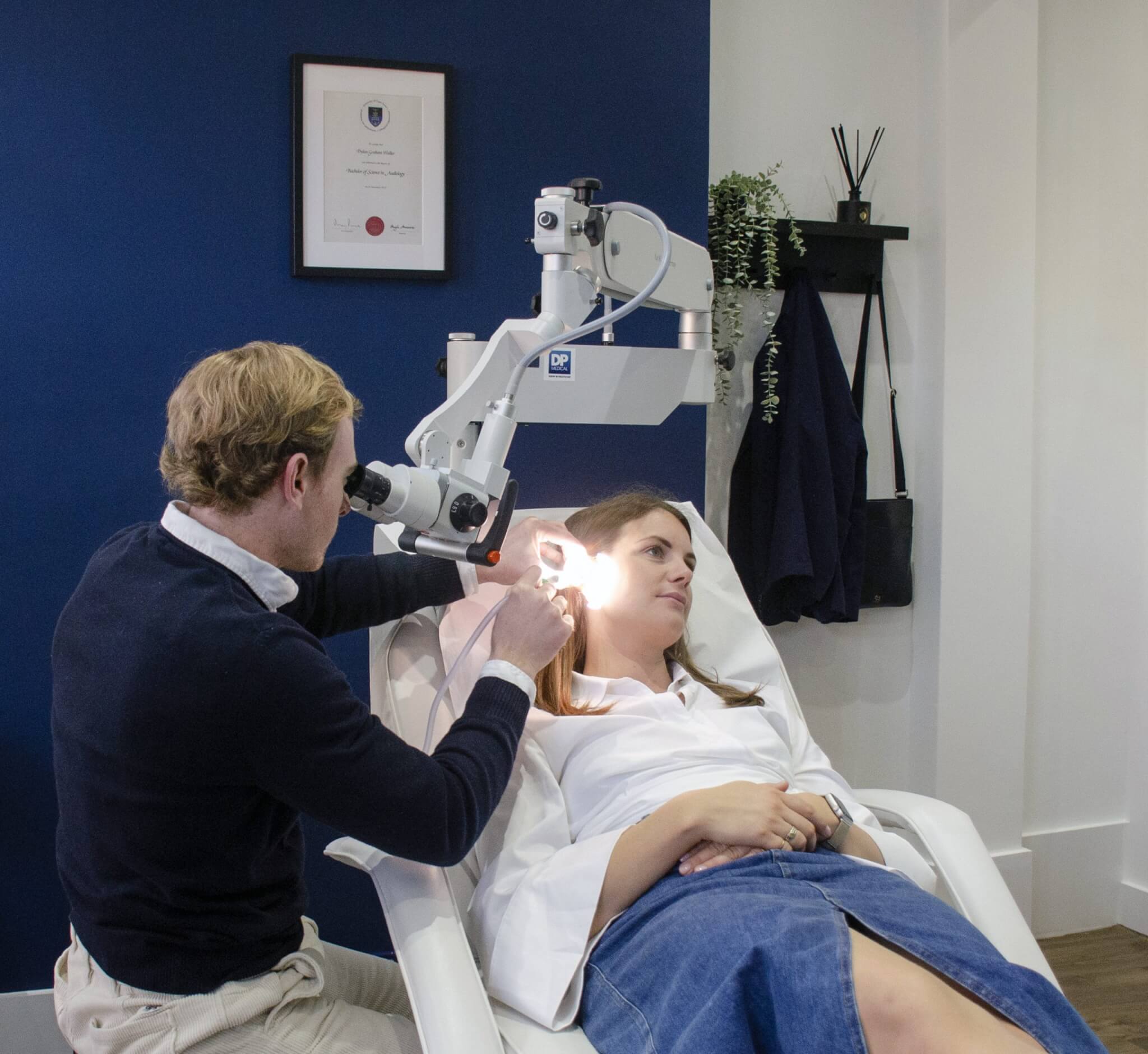
Microsuction

Tinnitus management
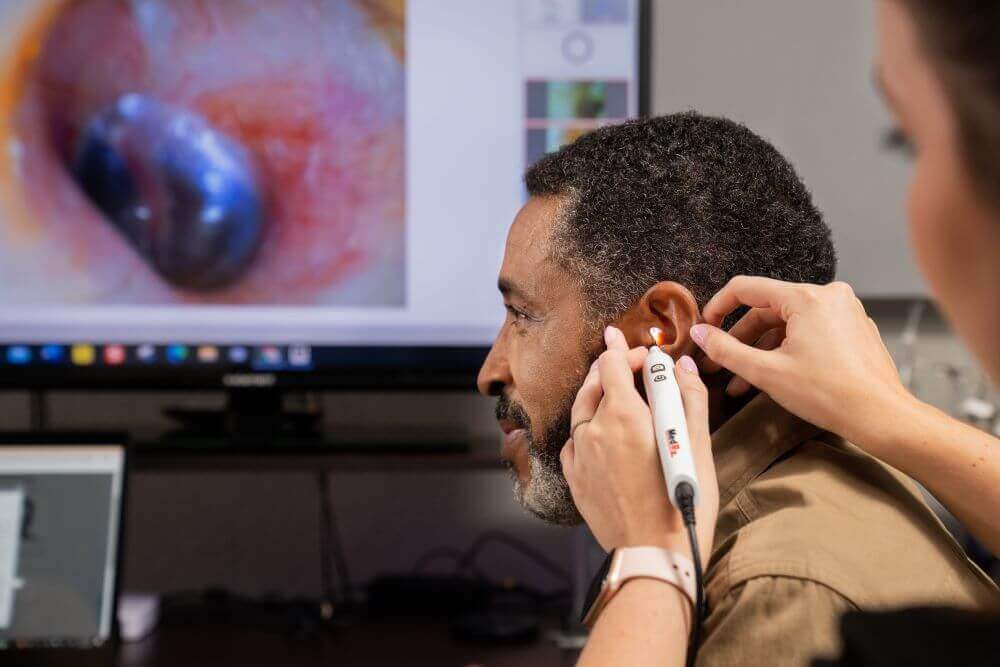
Hearing Assessments
Most people start experiencing hearing loss due to age in their 50s, however it can occur at any time in life. People who are regularly exposed to loud noises are more prone to the condition.
The primary treatment for hearing loss is to prescribe hearing aids. These amplify incoming sounds. Sometimes, though, it can also involve removing ototoxic medications from your regimen.
People ignore hearing loss because of reasons like social stigma.
We are pleased to introduce our Executive Club Membership, designed for those who value exceptional ear care and personalised service.
Join Executive Club