
We usually think of our ears as just tools for hearing, but they’re actually doing a much bigger job behind the scenes. Deep inside your head is this weird, complex setup called the vestibular system, which functions as your body’s onboard GPS.
Inside your inner ear are three tiny, fluid-filled loops. Think of them like levels on a construction site. When you move, tilt, or even just trip, that fluid sloshes around and hits tiny hair cells. Usually, it’s seamless. But when those signals get crossed, you feel like you’re standing on a boat in the middle of a storm, even if you’re just sitting on your couch.
We tend to use these words for everything, but for a specialist, they mean two very different things:
Dizziness: That spaced-out or lightheaded feeling. It’s often more about your heart, your blood pressure, or even just being stressed out.
Vertigo: This is the big one. It’s the distinct, room-spinning sensation. If it feels like you’re on a merry-go-round that won’t stop, your inner ear’s sensors are likely misfiring.
If you’re feeling shaky, it isn’t always some scary medical mystery. Often, it’s just one of these three:
Too much wax: If wax builds up and presses against your eardrum, it can mess with the pressure in your ear and make you feel off-balance.
A lingering cold: A simple inner ear infection (like Labyrinthitis) can inflame those loops. It’s common after a flu and can make you feel suddenly nauseous or rocky.
Loose Crystals: We have tiny calcium crystals in our ears. Sometimes they drift into the wrong loop—a thing called BPPV. It causes short, intense bursts of spinning whenever you move your head a certain way
A lot of people think being unsteady is just what happens when you age. It’s not. Ear-related dizziness is a structural problem, not just fatigue. If you find yourself reaching for the walls when you walk, a nap or a coffee won’t fix the underlying sensor.
The Golden Rule: If you’re dizzy all the time, your body is telling you a sensor is broken. Don’t ignore it.
Most balance issues are an easy fix, but see a professional immediately if you have:

Tinnitus management
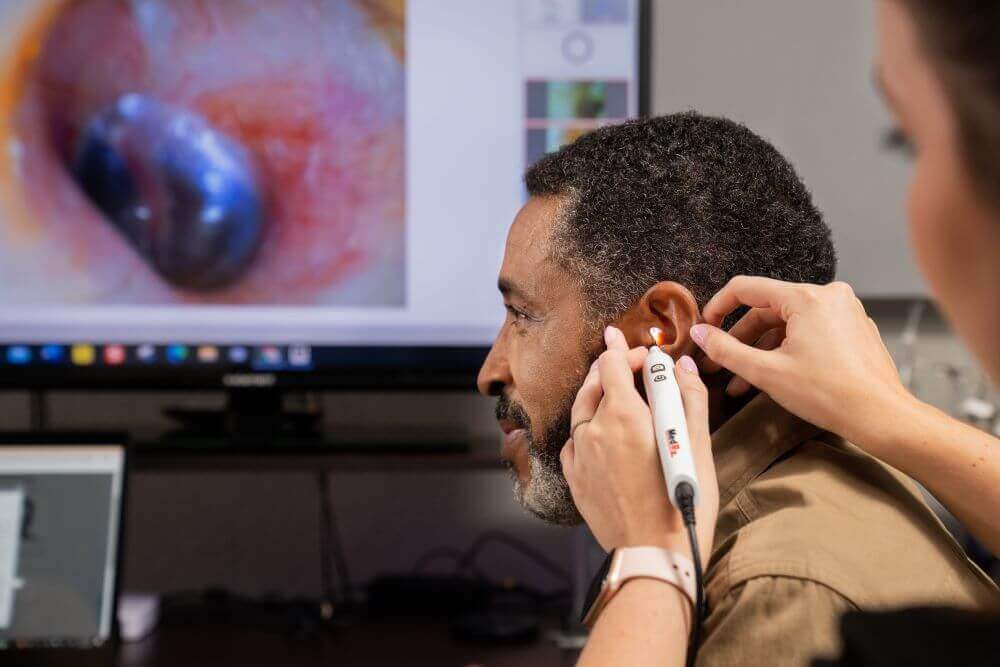
Hearing Assessments
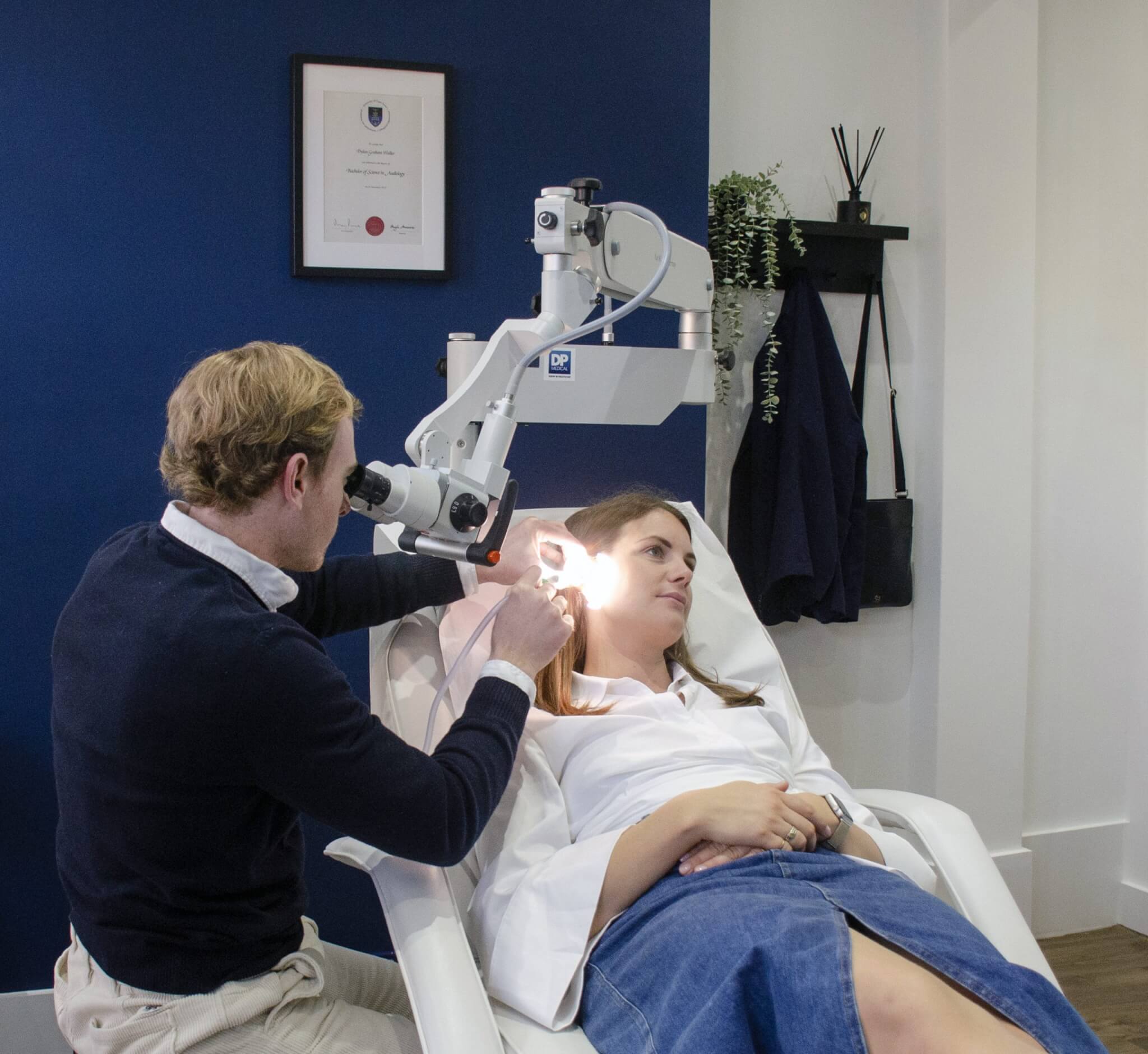
Microsuction
Yes. Inner ear issues often skip the “ache” and go straight to the “spin.”
It depends. Some episodes (like BPPV) last seconds, while infections can leave you feeling rocky for weeks.
Usually, yes. Between specialized treatments and “brain training” exercises, most people get back to level ground.
We are pleased to introduce our Executive Club Membership, designed for those who value exceptional ear care and personalised service.
Join Executive Club