If you’ve ever experienced blocked ears, muffled hearing, or that uncomfortable “full” feeling, you’ve probably wondered how often your ears should be professionally cleaned and whether it’s something you should be doing routinely or only when there’s a problem.
The short answer is: it depends on the individual.
But there are clear guidelines that can help adults make the right decision for their ear health.
This guide explains how ear wax works, who needs professional cleaning more often, and why regular ear health checks matter as we get older.
Ear wax (cerumen) is completely natural and plays an important role in protecting the ear canal. It traps dust and debris, prevents bacteria growth, and normally works its way out of the ear on its own.
However, in adults, this self-cleaning process doesn’t always work as well as it should.
As we age:
When wax builds up, it can cause symptoms that interfere with daily life and that’s when professional ear wax removal becomes necessary.
For most adults with no symptoms, routine ear cleaning isn’t automatically required.
However, general guidelines suggest:
Every 6–12 months – For adults who are prone to wax build-up or have had previous blockages
Every 12–24 months – For adults with no symptoms but who want preventative ear health checks
As needed – If symptoms such as blocked ears, hearing changes, tinnitus, or dizziness occur
Importantly, ears should never be cleaned on a fixed schedule “just because”. A professional ear health check should always come first.
If you’re unsure whether your symptoms are wax-related or something else, this guide on early signs you may need an ear health check can help you decide when it’s time to seek professional advice.
Some adults are more likely to experience recurring wax build-up and may benefit from more regular checks.
Hearing Aid Users
Hearing aids reduce airflow in the ear canal and often stimulate increased wax production. They can also push wax deeper into the ear, making blockages more likely.
Many hearing aid users benefit from microsuction ear wax removal every 4–6 months to keep their hearing aids working effectively.
Regular Earbud or Headphone Users
Daily use of earbuds or in-ear headphones can prevent wax from naturally exiting the ear canal and cause it to become compacted. This is increasingly common among office workers and commuters.
Adults Over 50
As we age, ear wax becomes harder and less mobile, making it more difficult for the ear to self-clean. This increases the likelihood of gradual blockages, sometimes without obvious symptoms at first.
People with Naturally Narrow Ear Canals
Some adults are simply anatomically more prone to wax impaction and may require more frequent professional assessment.
You don’t need to wait until your hearing is completely blocked. Early signs include:
If these symptoms appear suddenly or persist, booking a professional hearing test or ear health assessment is recommended.
One of the biggest misconceptions is that ears should be cleaned frequently to stay hygienic.
In reality, over-cleaning can do more harm than good.
Using cotton buds, ear candles, or home tools can:
According to the NHS guidance on ear wax build-up, cotton buds should never be inserted into the ear canal as they often make blockages worse.
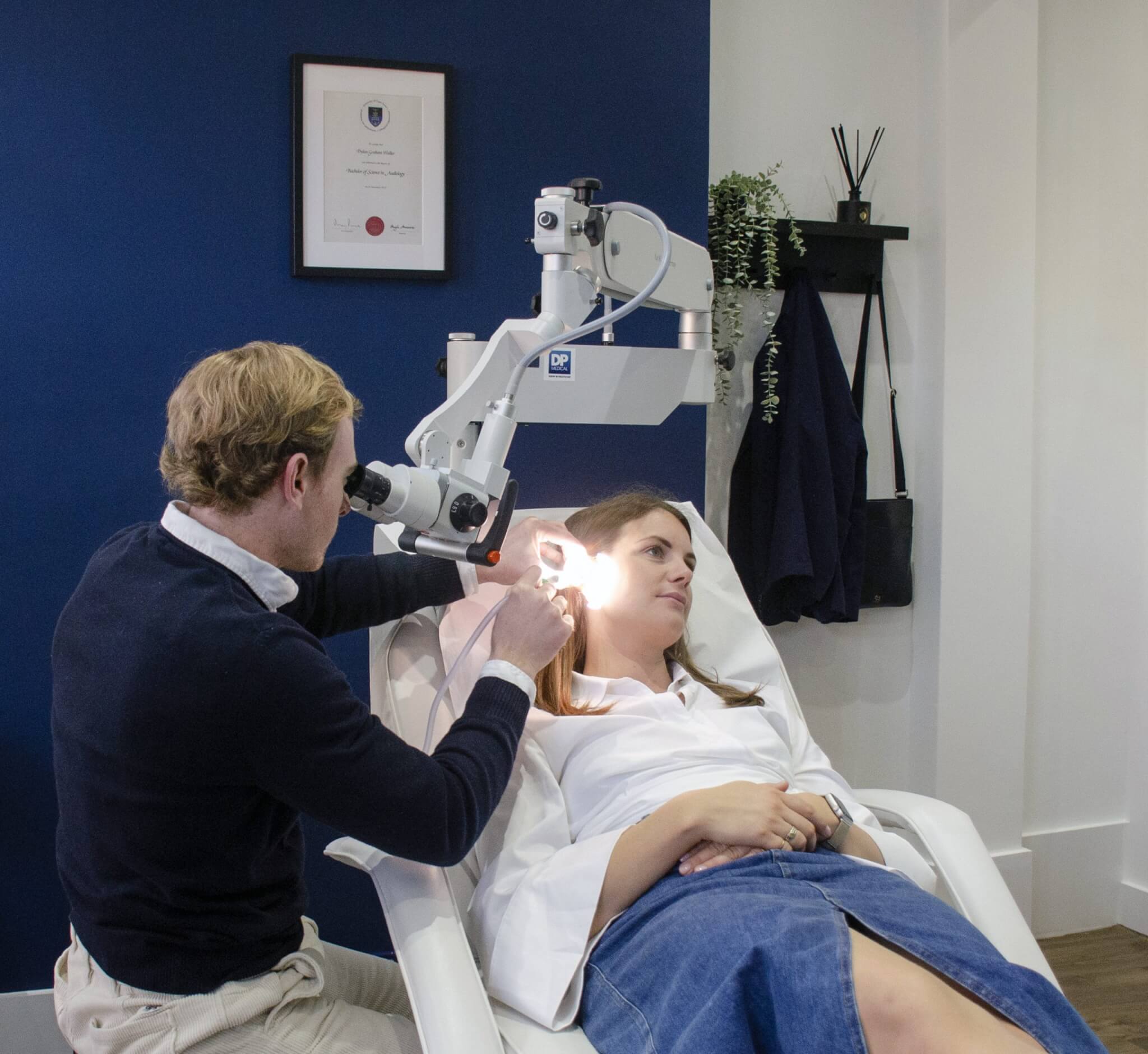
For adults, microsuction ear wax removal is widely regarded as the safest and most effective method as it:
This is why microsuction is now the preferred method in modern clinical ear care.
Not necessarily, and this is an important distinction.
A proper appointment should always begin with an assessment to determine whether wax is actually present. In many cases, symptoms such as reduced hearing or ringing in the ears are related to hearing loss rather than wax.
The NHS hearing loss guidance highlights that hearing changes can have multiple causes, which is why professional evaluation is essential before any treatment.
Professional ear cleaning can:
However, it does not prevent age-related hearing changes which is why combining ear cleaning with regular hearing tests for adults is often recommended, particularly over the age of 40.
A good rule of thumb for adults is:
Previous blockages – Annual ear checks
Hearing aid users – Every 4–6 months
New or sudden symptoms – book promptly
Unsure – assessment first, cleaning only if needed
Your ears are unique, and professional advice should always be tailored to you, not a generic schedule.
Microsuction

Tinnitus management
Custom-Made Ear Plugs
Common signs include muffled hearing, a feeling of fullness in the ear, ringing (tinnitus), dizziness, or discomfort. If symptoms persist, a professional ear check is recommended rather than attempting home removal.
In many cases, earwax moves out of the ear naturally. However, if wax becomes impacted, it is unlikely to clear without professional help and may cause symptoms that worsen over time.
Yes. Cleaning ears too frequently can irritate the ear canal and stimulate excess wax production. Professional advice helps ensure cleaning is done only when necessary.
Keeping ears dry after swimming or bathing, avoiding inserting objects into the ear canal, and managing colds and allergies promptly can help reduce the risk of ear issues.
Microsuction is widely considered the safest and most effective method for adult earwax removal. It allows clinicians to see inside the ear while removing wax gently and precisely.
We are pleased to introduce our Executive Club Membership, designed for those who value exceptional ear care and personalised service.
Join Executive Club