Earwax transports dust and other debris out of the ear canal where it can safely flake off into the environment. If earwax didn’t exist, this wouldn’t happen, and infections and blockages would be more common.
Most people produce a normal amount of earwax (on the order of a few milliliters per week). However, excessive earwax production can occur in some people, leading to blocked ear canals, muffled hearing, tinnitus, and a feeling of fullness with discomfort inside the ear.
Adults are more prone to earwax buildup than younger people for several reasons:
When an earwax blockage occurs, there are two popular methods that clinicians use: ear syringing or micro-suction. This guide discusses both and how they compare.
As you might guess, ear syringing is the traditional approach to removing earwax from the ear canal. It essentially involves flushing the ear canal with warm water and then using a syringe or a more advanced electronic version to remove the slurry once the earwax has softened.
The process starts by applying a few drops of liquid to the ear wax, then warm water is directed into the ear canal under a bit of pressure. This then dislodges the ear wax and allows it to flow out with the water.
Many clinics used this method in the past but recently it has been less popular. It’s higher risk, and potential complications include dizziness, infection and perforation of the eardrum. It’s also a fairly uncomfortable procedure. The sensation of water going into the ear is like putting your head in a barrel.
Generally speaking, it’s okay to get ear syringing read once or twice every few years. But doing it more frequently than that could cause significant health complications.
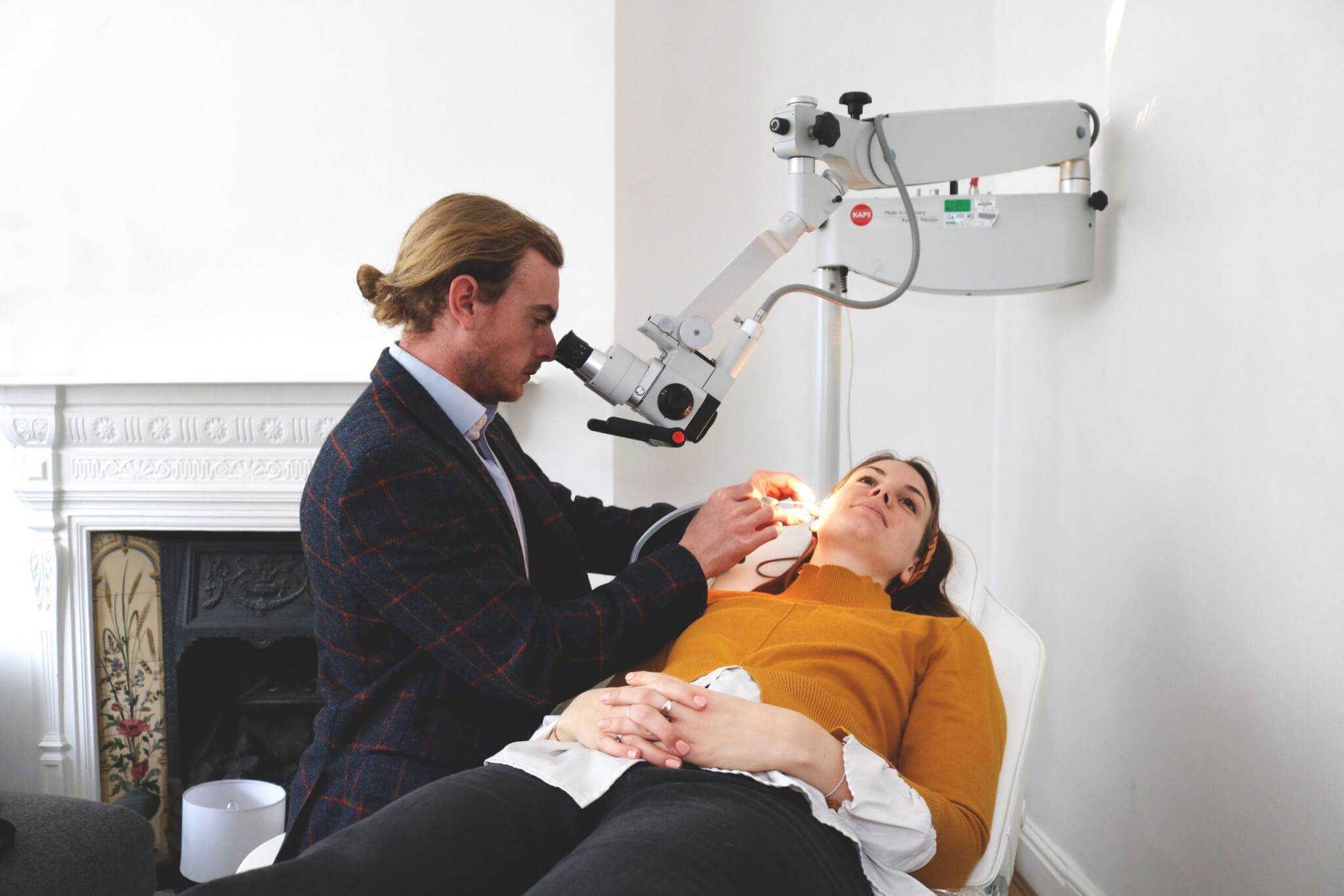
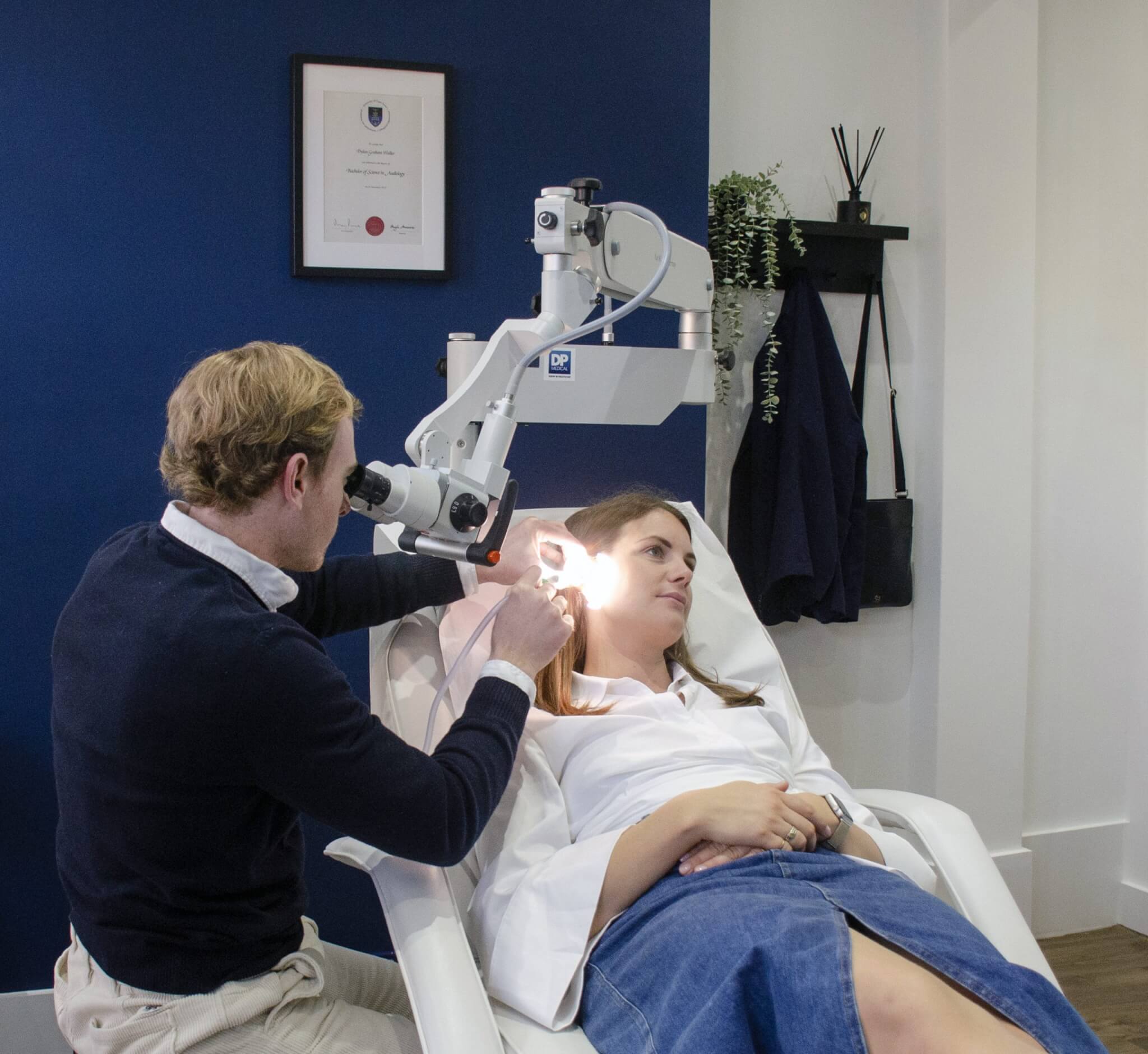
These days, the preferred method for earwax removal is microsuction. The idea here is to gently suck out the ear wax without water using special tools.
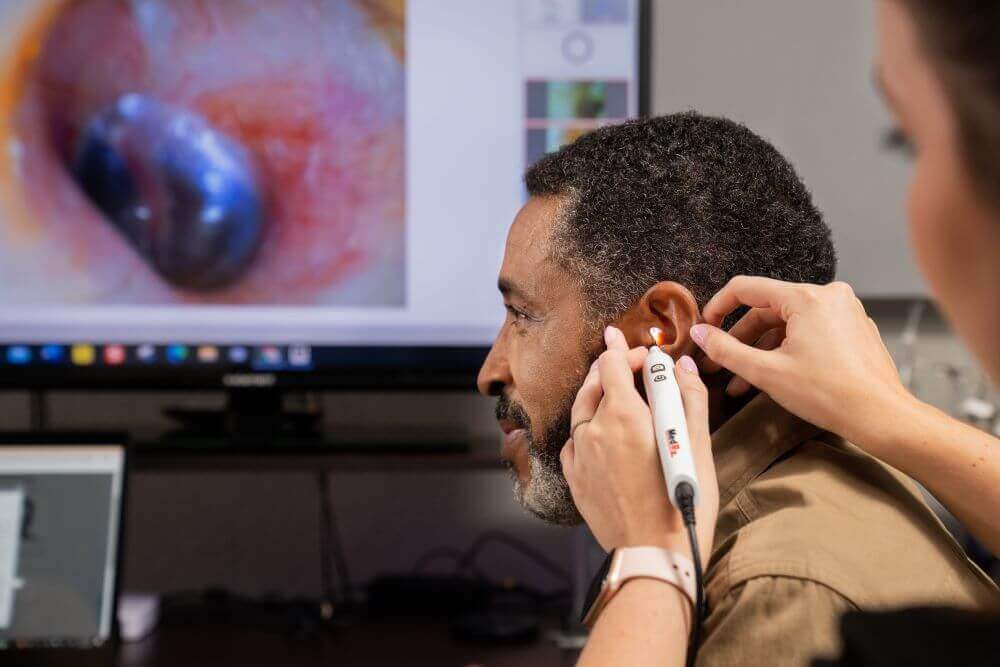
The process starts with a clinician examining your ear and looking through an otoscope for evidence of blockages. Then, if they can see compacted ear wax, they insert a sterile suction probe (about the width of a regular drinking straw) into the ear canal. This then creates suction which can pull out wax and debris in small pieces.
Many patients prefer this method because the procedure is so quick. Usually, it only takes between 5 and 15 minutes per ear and doesn’t require any pre-softening like ear syringing does. Ear wax can be taken out as it is, with no additional fluids involved.
Of course, the sensation of micro suction can be a bit strange. While it is the most comfortable and safest method for adults, it can feel like your ear is being vacuumed. It can also be quite loud because of how close the vacuum tip is to your ears’ sound sensing tissue.
The best way to manage this sensation is to go to a clinician with good bedside manner. They will be able to describe exactly what is going to happen and how.
Let’s compare microsuction with syringing directly.
Safety – As discussed, micro-suction is the safer option. It has a lower risk of causing damage to the ear or infection because it doesn’t use any liquid. It also reduces the risk of dizziness, which is a byproduct of filling the ear canal with additional material.
Comfort – What about comfort? Most patients say that micro suction is the more comfortable option. It doesn’t involve the sensation of your head being in a barrel, which is what you get if you use syringing. There is also less flushing noise, although there is still a vacuuming sound when the device is operating.
Special considerations – Finally, let’s consider some special considerations. If you have tinnitus, then syringing can actually make the ringing in your ears worse. Microsuctioning is gentler.
If you wear hearing aids that lead to wax buildup, then again, microsuction can be the best option. Hearing aids are something you should wear all the time if you have hearing loss, but syringing is dangerous if you do it regularly. Therefore, microsuction can reduce the risk of damage to the ear canal.
Finally, microsuction is often the best option if you have a history of vertigo. It tends not to trigger dizziness, unlike fluid-based syringing, which makes it perfect for those who are sensitive to middle ear and eardrum stimulation.
Don’t try to remove earwax from your ears yourself. Always seek professional assessment. Using at-home tools like ear candles and cotton buds is dangerous. Prioritise going to a specialist if you have any evidence of pain or discharge or bleeding.
If your tinnitus or dizziness gets worse or you have other symptoms, it means that you should go to a doctor immediately. A qualified ENT specialist or audiologist can help you and recommend the safest course of action.
Microsuction

Tinnitus management
Hearing Assessments
Microsuction is the safest way to remove ear wax because it reduces the risk of eardrum perforations and dizziness. It’s also better for adults with tinnitus and balance issues because it is less likely to lead to side effects.
You should get microsuction if you notice any significant pain in your ears, bleeding, or impacted ear wax that won’t leave your ear canal naturally.
Earwax should flake out naturally and clean out your ear canals over time. However, it can build up as you get older, especially if you have a lot of hair in your ear canal.
Many clinics have phased out ear syringing due to its higher risk profile, particularly for adults with sensitive ears, perforated eardrums, or a history of ear problems.
Microsuction is usually painless, though some people may experience mild discomfort or noise sensitivity during the procedure. It is generally well tolerated by adults.
We are pleased to introduce our Executive Club Membership, designed for those who value exceptional ear care and personalised service.
Join Executive Club