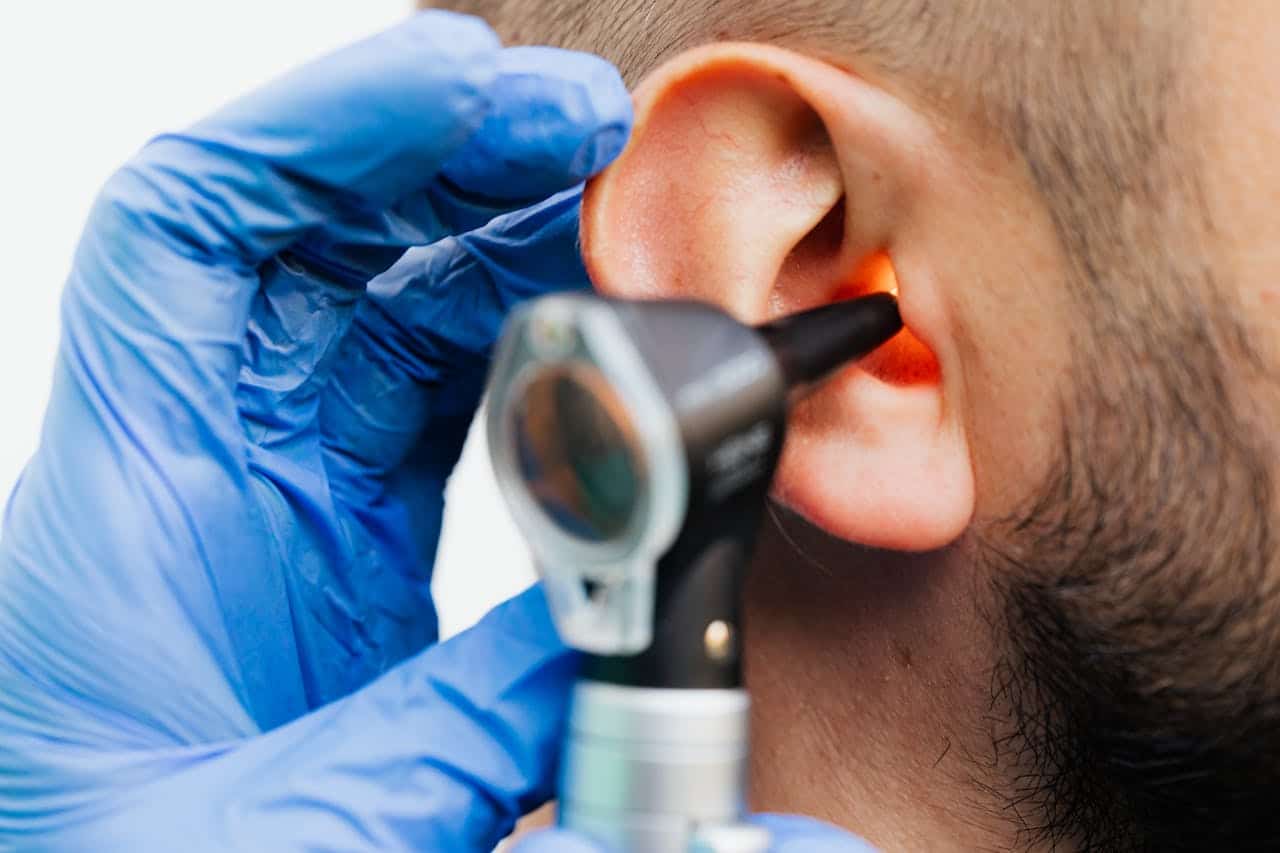
Looking after your ears is beneficial for your overall health, as well as your hearing. Spotting early warning signs can help to reduce risks, ease symptoms, and boost your ear health in the future. In this guide, we’ll outline ten signs you need an ear health check. If you notice any of these symptoms, it’s beneficial to get checked out as soon as possible. It’s often straightforward to treat early signs of ear problems.
It’s important to keep a close eye on your ears and to seek advice if you have any concerns or you notice new symptoms or changes in your hearing. Here are ten common signs to book an ear health check:
If you feel like your ears are blocked, sounds are muffled, or you’re experiencing changes in pressure, it’s a good idea to seek professional advice. Blocked ears can be a sign of a buildup of earwax, congestion and colds, fluid in the ears and issues that affect the Eustachian tube. It’s common to notice increases and decreases in pressure when you fly or you’re at altitude. Often, yawning helps to release pressure.
Ringing in your ears is commonly known as tinnitus. Tinnitus causes you to hear sounds even when there’s no external source. Most commonly, people describe the sound as a buzzing, ringing or whirring noise. Many people find their symptoms get worse when it’s quiet, as the noises appear louder.
Tinnitus doesn’t harm your ears, but it can impact your mental well-being and affect your sleep. Treatment options include cognitive behavioural therapy, counselling and tinnitus retraining therapy. In some cases, tinnitus can be linked to hearing loss. If this is the case, your symptoms may improve if you have treatment, such as using hearing aids.
Struggling to hear other people is one of the most common signs of hearing loss. If your hearing has deteriorated, you may feel like others are mumbling or talking quietly, and it’s more difficult to keep track during conversations.
Pressure changes in your ears are common when you fly and spend time at altitude, or you have a cold, which causes you to feel bunged up and congested. Usually, symptoms will subside when you return to your normal environment or recover from minor ailments, but if they persist, it’s important to get medical advice. In some cases, pressure can be a sign of too much earwax, ear infections, TMJ (temporomandibular joint) disorder and Ménière’s disease.
If you’ve started turning the volume up on your TV or radio, or other people have commented on how loud the noise is, this may be a sign of hearing loss. Hearing assessments can help you understand how your hearing has changed and identify effective treatments and therapies.
It’s always beneficial to investigate pain in your ears. Common causes of discomfort include:
It’s particularly important to get checked out if your symptoms continue or get worse.
If you have hearing loss, it’s increasingly difficult to hear in busy, noisy places. If you’ve noticed that it’s become harder to follow conversations or hear what people are saying in restaurants or shops, for example, arranging a health check is a good idea.
When you find it hard to hear, it’s common to miss words and sentences, which makes understanding what people are saying more challenging. From chats with friends to work meetings, you may find that it’s tough to keep up. This is a common effect of hearing loss.
There are many reasons why you may feel dizzy, such as dehydration and low blood sugar, but if you experience dizziness and changes in your balance, your symptoms may be linked to your ears.
Discharge and leaking from your ears can indicate an infection or a perforated (burst) eardrum. If you have an ear infection, you may notice pus leaking from your ear. If you have blood-stained fluid, this could be a sign of a perforated eardrum.
It’s hugely beneficial to keep an eye on your ears and seek medical advice if you have any concerns about ear health or your hearing. The sooner you get minor symptoms and early warning signs checked out, the better. This list of ten common ear problems is designed to help you understand when to seek medical advice. It’s often quick and simple to treat mild issues.
If you have any questions about symptoms that affect your ears or changes in your hearing, don’t hesitate to get in touch with us to book an appointment today.
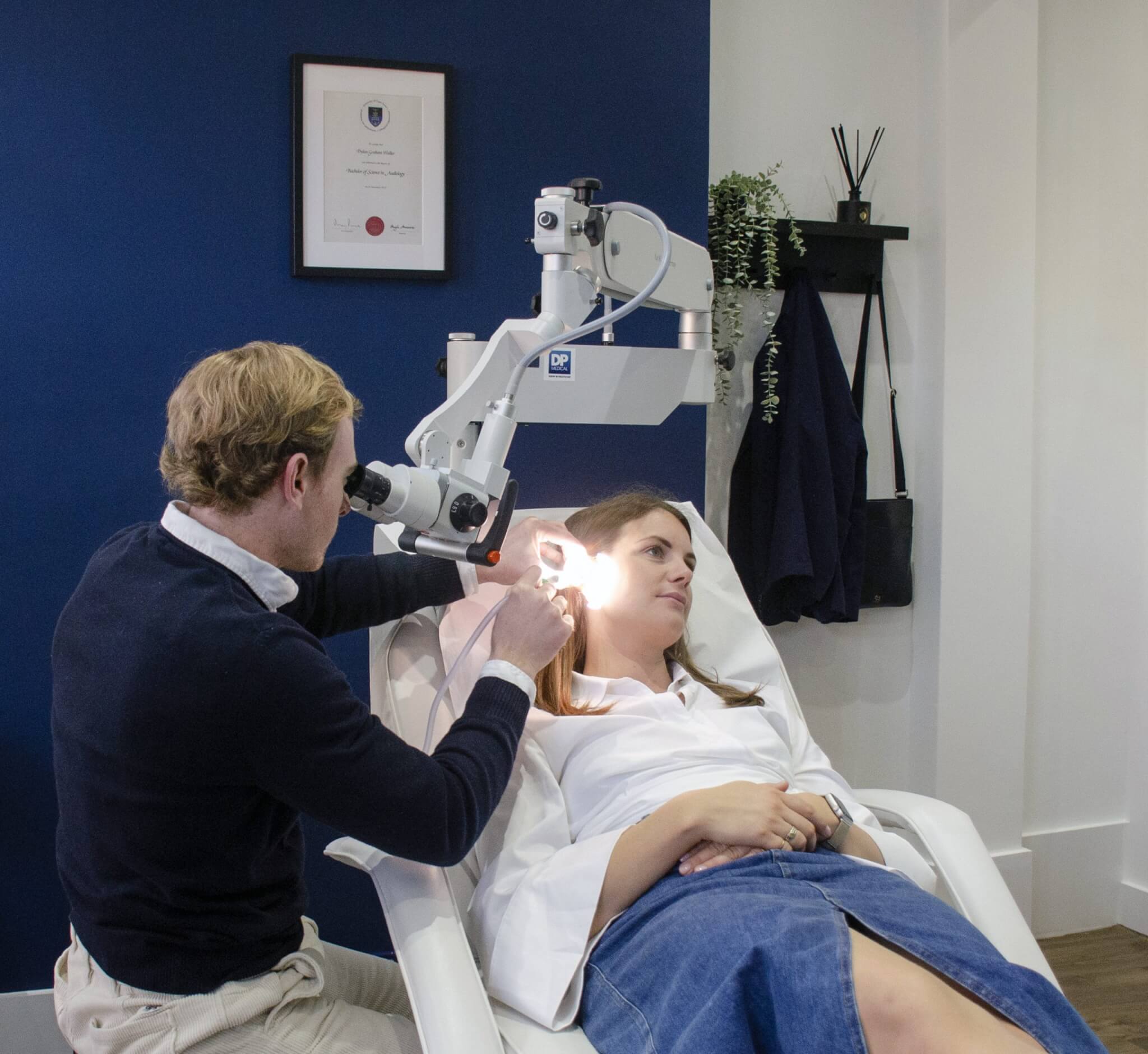
Microsuction

Tinnitus management
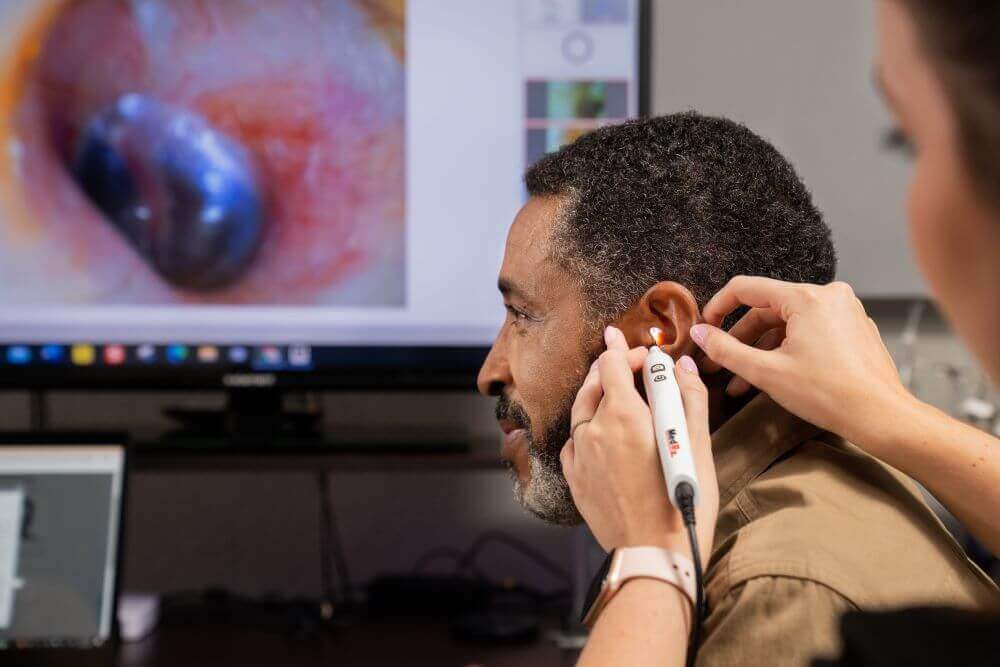
Hearing Assessments
Most people should consider an ear health check every 1–2 years, or sooner if you notice changes in hearing, discomfort, or recurring ear issues.
Common early signs include muffled hearing, ringing in the ears (tinnitus), ear pain, a blocked sensation, dizziness, or frequent ear infections.
Yes. Excess earwax is a common cause of temporary hearing loss, blocked ears, and discomfort, and often requires professional removal.
Absolutely. Many ear conditions develop without pain, and symptoms like hearing changes or balance issues can still indicate a problem.
An ear health check typically includes a visual examination of the ear canal and eardrum, a review of symptoms, and hearing or balance assessments if needed.
In many cases, yes. Identifying and treating ear issues early can help prevent long-term hearing loss and reduce the risk of complications.
We are pleased to introduce our Executive Club Membership, designed for those who value exceptional ear care and personalised service.
Join Executive Club